Learn something
worth keeping.
Short, words-first books made for curious people. Every edition has one job: teach you something real.
Explore a shelf
Start with a question, then follow it through a small collection that belongs together.
All books
Browse the whole library, or reshuffle when you want a fresh starting point.


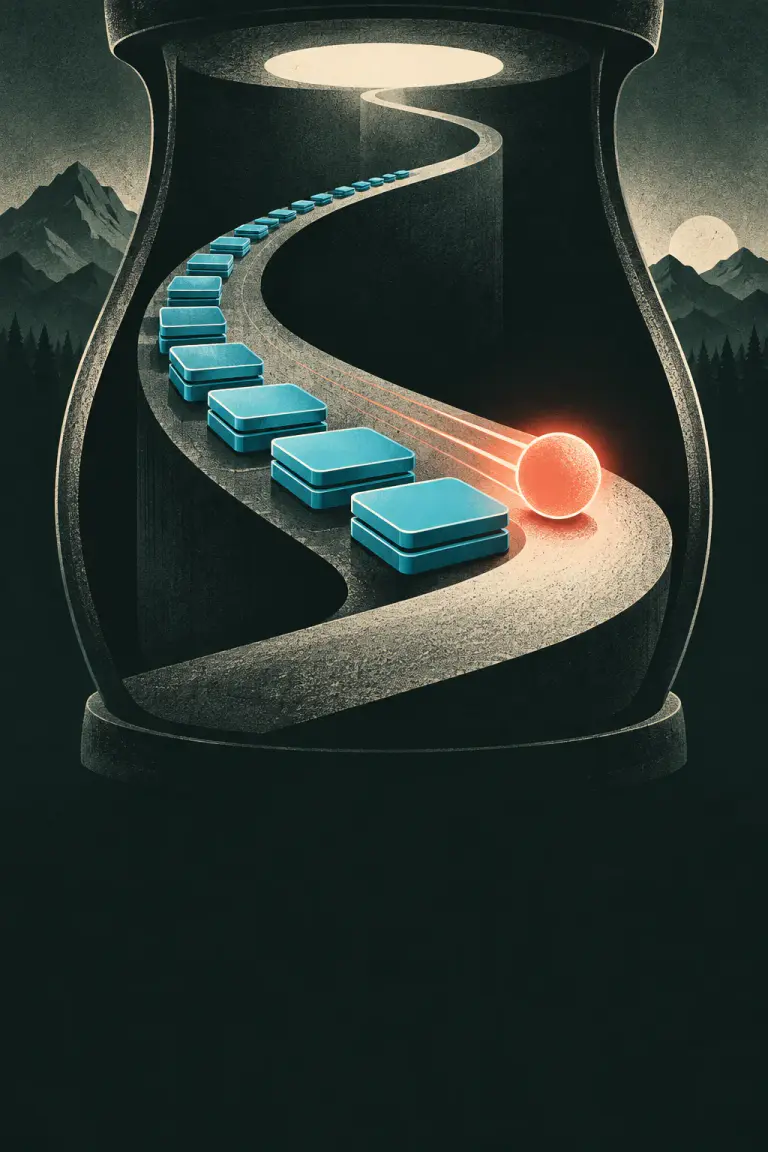
Why Energy Spreads Out and Becomes Less Useful
Total energy can remain accounted for while the differences that could drive change disappear

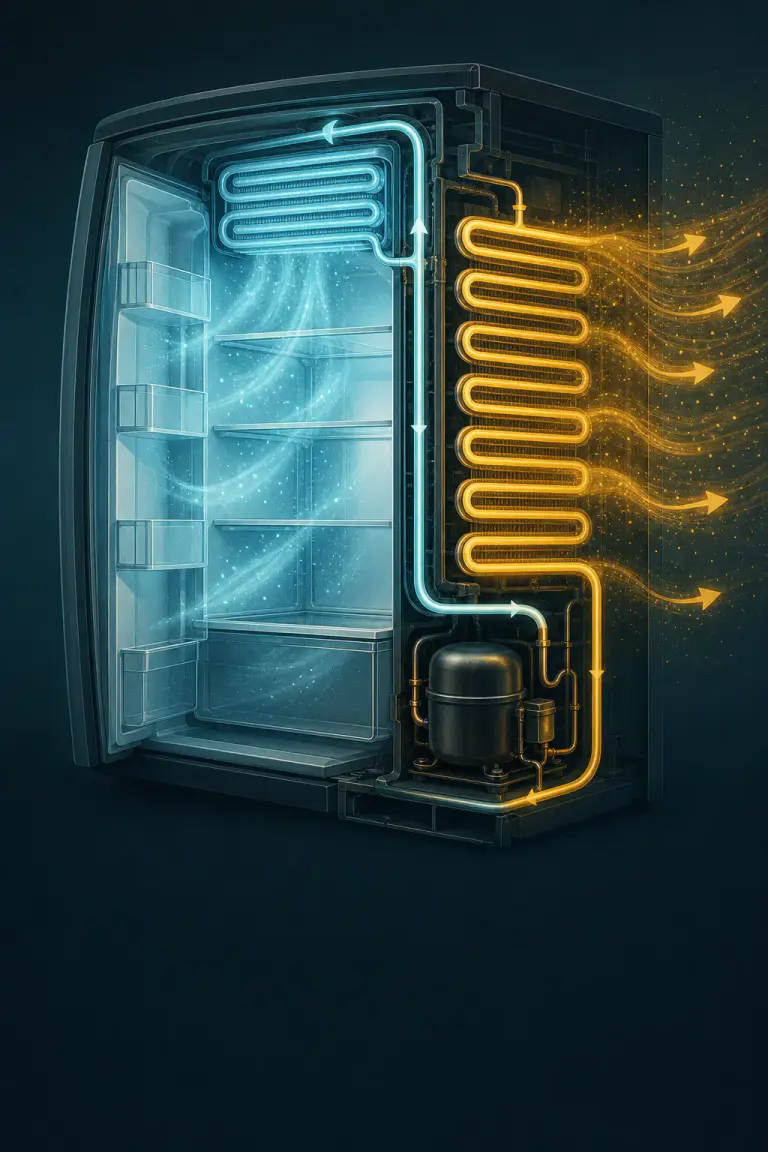
How a Refrigerator Moves Heat from Cold to Warm
The cabinet cools only because the room receives its heat plus the compressor's work

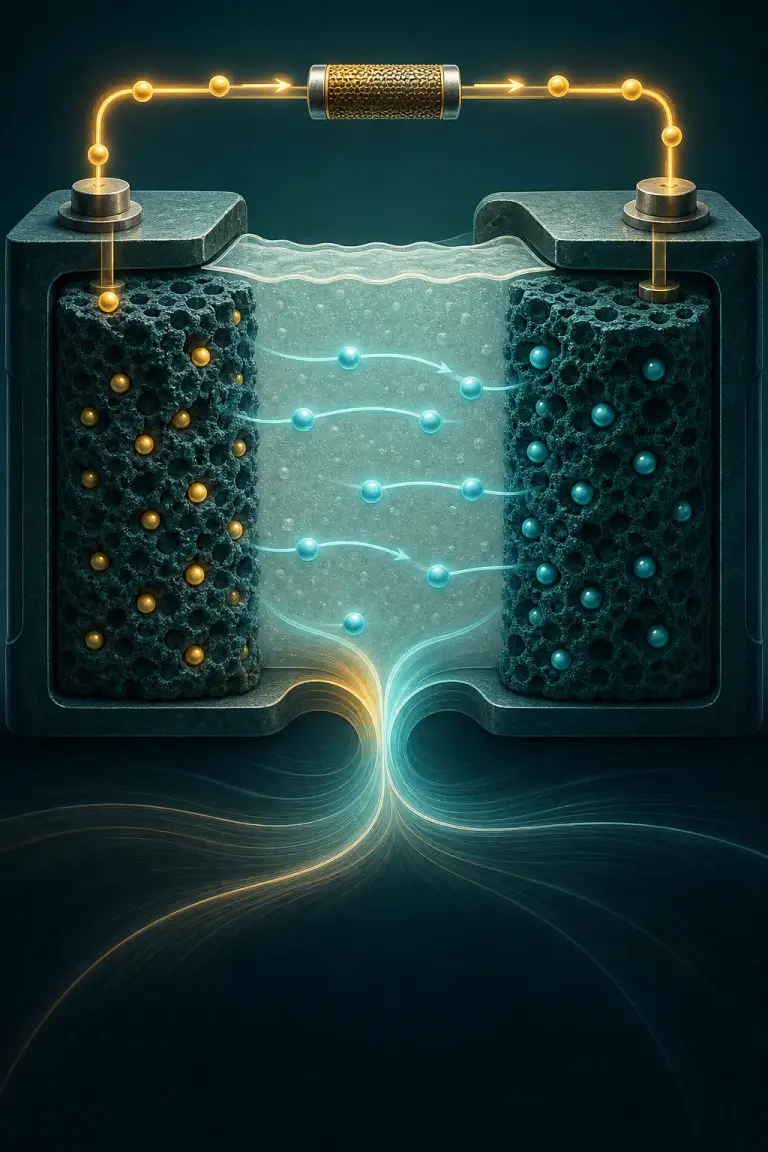
How a Battery Pushes Electrons Around a Circuit
Electrons take the outside road because ions alone can cross the inside separator

How a Solar Cell Turns Light into Electric Current
Absorption starts the process; a junction and contacts keep carriers from simply recombining

How the Power Grid Keeps Energy Moving
Energy crosses the network now while control layers keep the shared rhythm usable

Why a Heat Pump Delivers More Heat Than the Electricity It Uses
The electrical input runs a transport cycle; it isn't the whole heat delivery

How One Standard Box Changed Global Shipping
The container mattered because ships, cranes, trains, trucks, corners, and records agreed around it

Why One Warm Handoff Can Ruin a Cold Shipment
A refrigerated product carries its entire temperature history, not just the reading at arrival

How the Grid Keeps a City Powered Every Second
The city receives a continuous negotiation among distant supply, local wires, and changing demand

How Clean Water and Sewers Made Cities Safer
The decisive invention wasn't one pipe but two flows that stopped meeting

How Sewers Use Gravity to Cross a City
The cheapest mover is a carefully maintained downhill path; until terrain forces a lift